
- This event has passed.
Hands-on workshop on pathogen isolation and staining
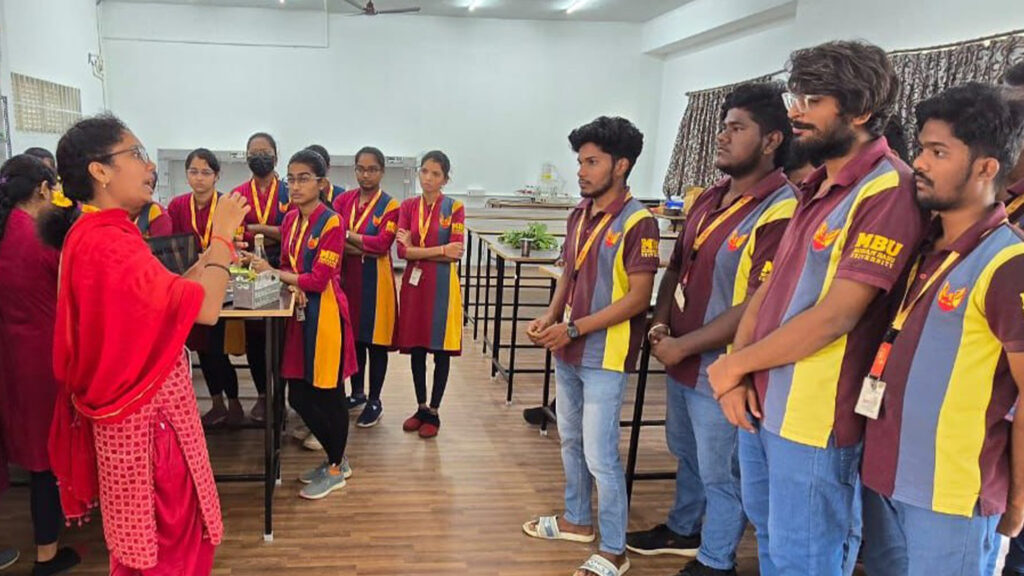
The Plant Health Club, the School of Agriculture, organized a practical workshop titled “Know the Pathogen ID – Hands-on workshop on pathogen isolation and staining” on 26th December 2025. The event was held in the Plant Pathology Laboratory. The aim of the workshop was to make students understand the importance of correct pathogen identification in plant disease diagnosis. The session was designed to bridge the gap between classroom learning and real laboratory practice. By focusing on isolation and staining techniques, the event helped students gain clarity on how pathogens are studied and identified, which is a crucial step in managing plant health and ensuring better crop productivity.
The workshop was coordinated by Dr. K. Sailaja and Dr. P. Maheswara Reddy, both Assistant Professors in the School of Agriculture. A total of 41 students participated in the program. The students showed great enthusiasm throughout the session. They were attentive during the demonstrations and actively engaged in the hands-on exercises. Their performance reflected curiosity, teamwork, and a willingness to learn, which made the workshop more interactive and meaningful.
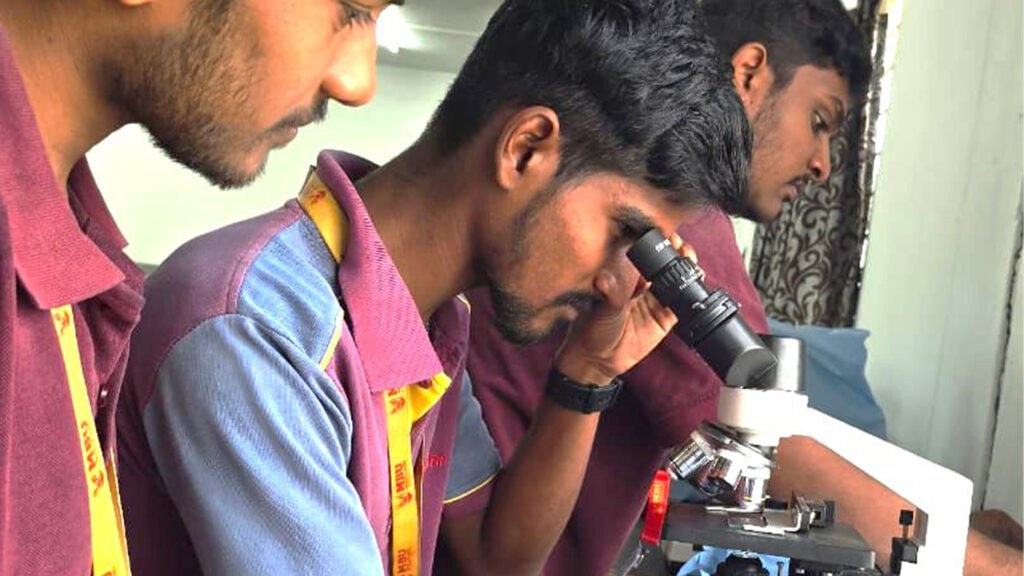
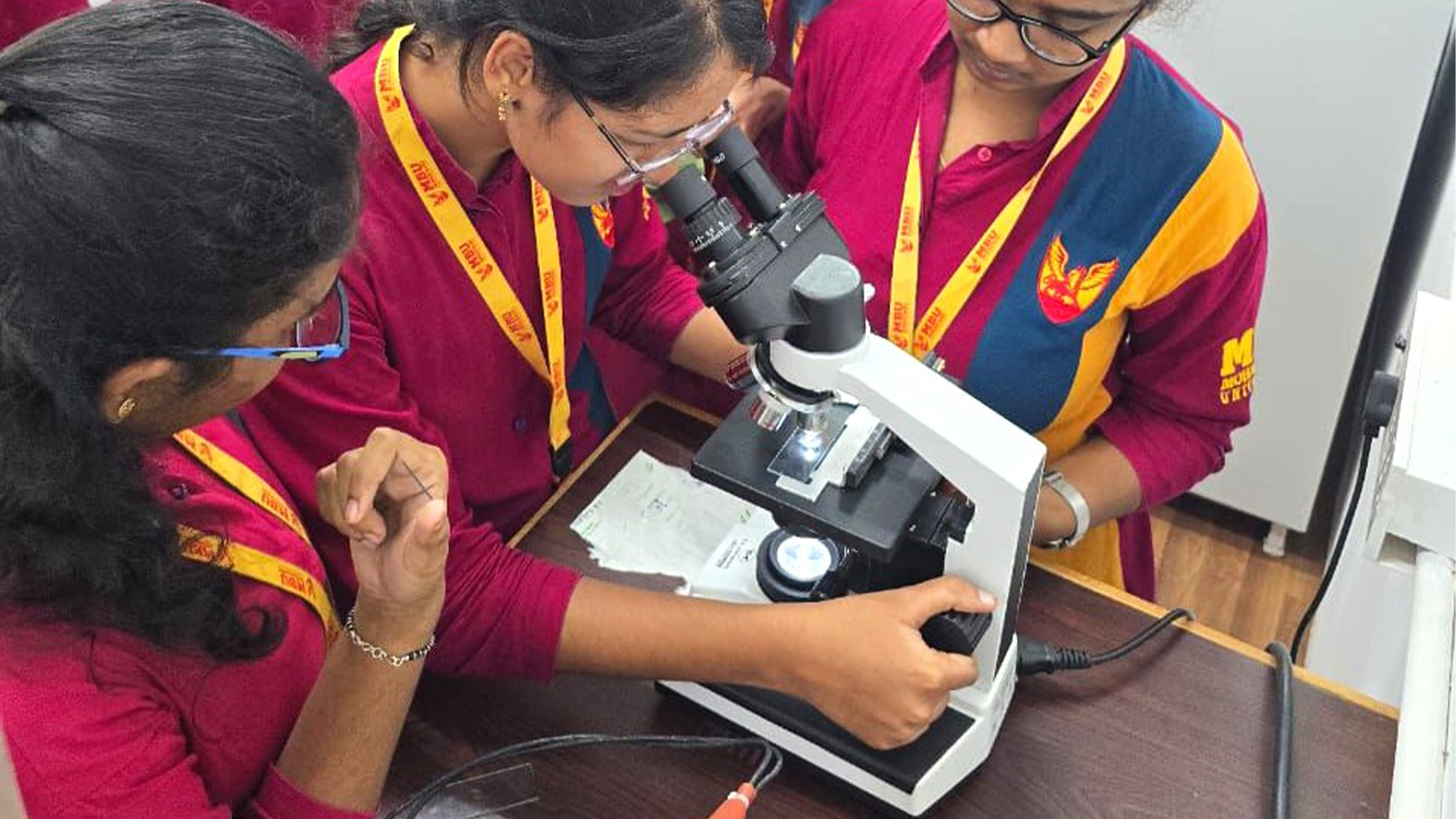
The activity began with an introduction to the role of pathogen diagnosis in plant disease management. This was followed by demonstrations of aseptic techniques and the process of isolating pathogens from infected plant samples. Students then prepared slides for staining and observed fungal and bacterial structures under the microscope. The practical exposure to surface sterilization, culturing, staining, and microscopic observation gave them a clear picture of how plant pathogens are studied in real laboratory conditions. The workshop was conducted in a step-by-step manner, ensuring that every student could follow and practice the techniques confidently.
The key takeaway for the participants was the ability to connect theory with practice. They developed skills in aseptic handling, pathogen isolation, and staining methods, which are essential components of their curriculum. The experience also improved their confidence in laboratory work, sharpened their observation skills, and prepared them for future research projects and examinations. Students expressed that the workshop was highly informative and requested more such practical sessions in the future.
The organizers expressed their gratitude to all the participants for their active involvement and positive feedback. They appreciated the enthusiasm shown by the students and assured them that more practical-oriented programs would be planned to strengthen applied learning in agriculture.