

- This event has passed.
Empowering Students with First Aid Skills: Workshop on Fainting and Shock
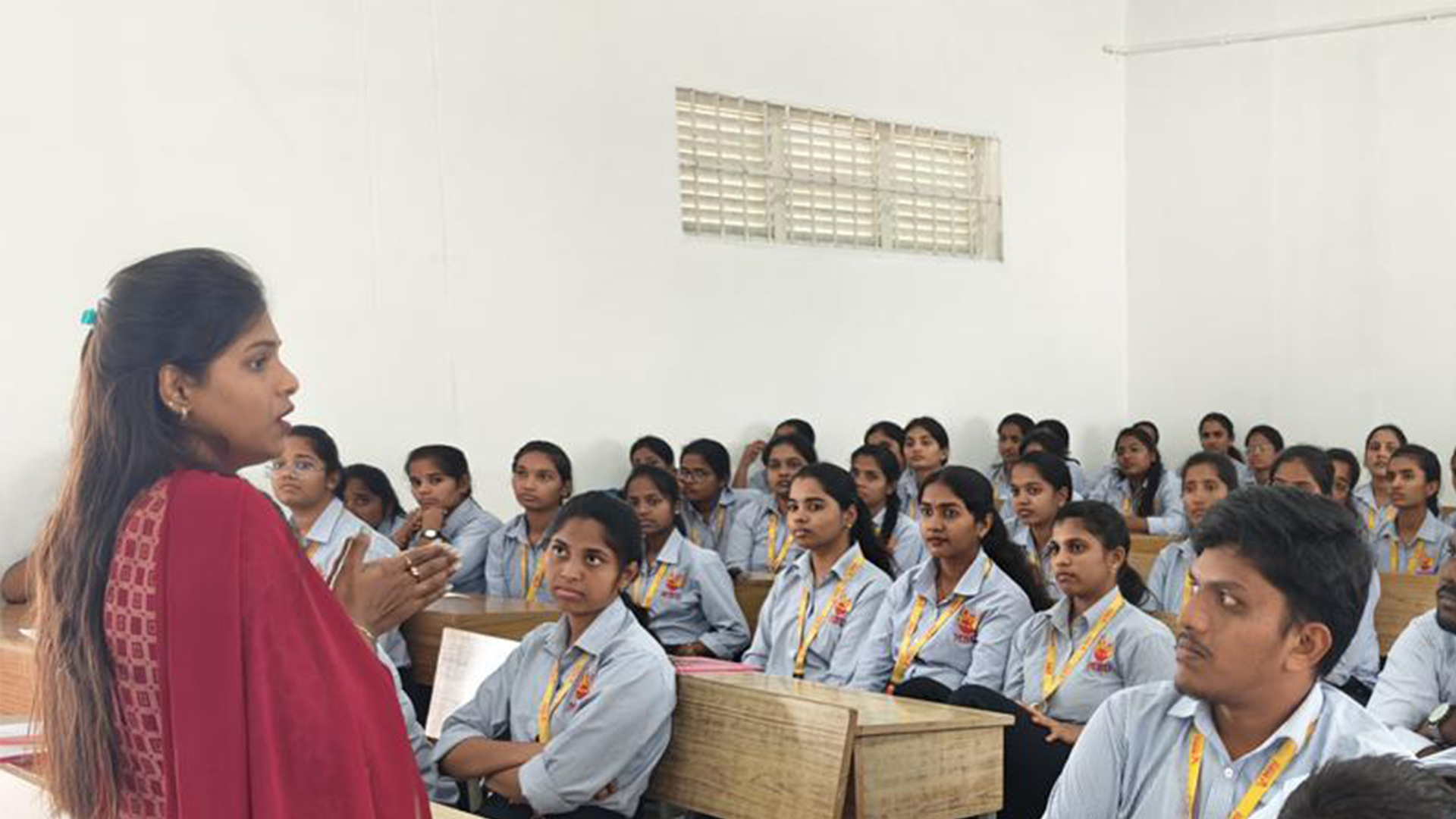
The First Aid Force Club, the School of Paramedical and Allied Health Care Sciences, MBU, organized a workshop titled “Fainting and Shock – What to Do First?” on 8th December 2025. The event was held in Room No. 812, MNS Block, from 11:00 AM to 12:00 PM. The aim of the workshop was to train students in recognizing early warning signs and responding effectively during such emergencies. Fainting and shock are common situations that can occur in hospitals, classrooms, or even public places. The event focused on equipping students with the right knowledge and confidence to act quickly and safely.
The workshop was coordinated by Ms. M. Mohana Priya, Assistant Professor and Convener of the Club. A total of 68 students from different Allied Health Science programs attended the session. The participants showed great enthusiasm and actively engaged in the activities. Their performance reflected both interest and commitment, as they listened attentively, asked questions, and participated in group tasks. The involvement of such a large number of students highlighted the importance of the topic and their eagerness to gain practical skills.
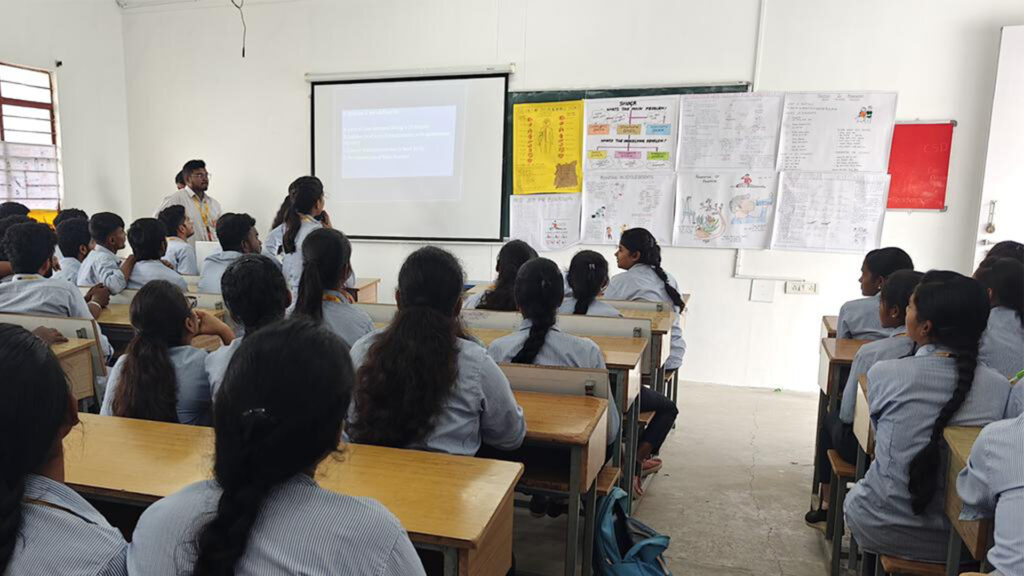
The activity was conducted in a structured and interactive manner. Ms. Priya explained the first-aid protocol step by step, beginning with ensuring scene safety, checking responsiveness, and monitoring breathing. Demonstrations included positioning the patient flat, elevating legs to improve blood flow, loosening tight clothing, and maintaining airway support. Students also worked in groups to prepare colourful charts on causes, symptoms, emergency steps, types of shock, and dos and don’ts during an episode. These charts were displayed in the classroom, making the learning process visual and collaborative.
The participants took away valuable lessons from the workshop. They learned how to identify early signs of fainting and shock, how to provide safe and effective first aid, and how to remain calm in emergencies. The activity boosted their confidence, improved their communication skills, and encouraged teamwork. Most importantly, students realized that timely intervention can make a critical difference in saving lives.
At the end of the session, the organizers expressed heartfelt gratitude to the participants, faculty members, and student volunteers. The workshop was appreciated for its practical approach and smooth organization. It left students motivated and better prepared to handle real-life emergencies, reinforcing the university’s commitment to healthcare education and skill-based learning.
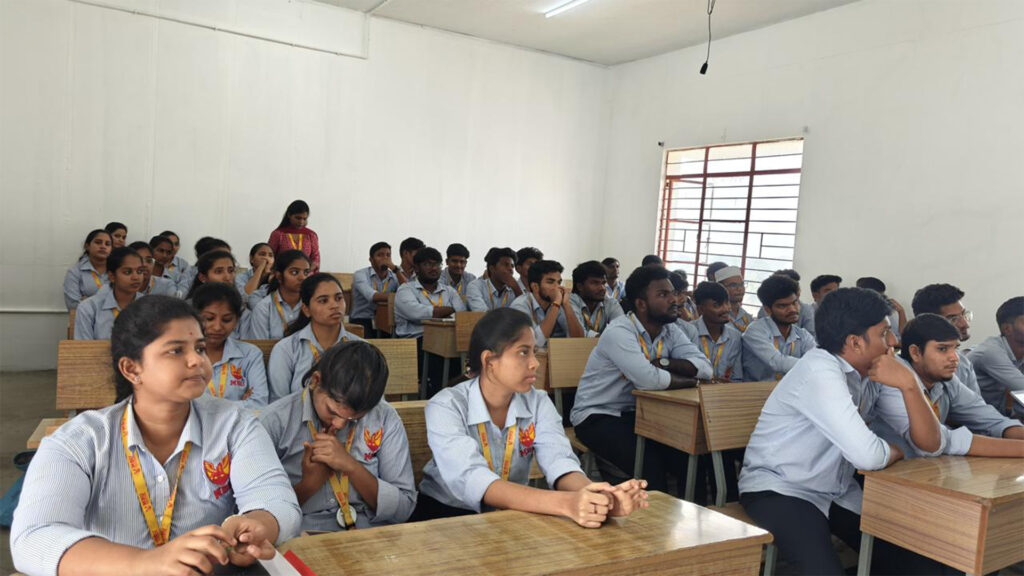
Their active involvement fostered a lively, focused atmosphere of collaboration and learning.