
- This event has passed.
Community Outreach : Promoting Digital Literacy and Safe UPI Usage
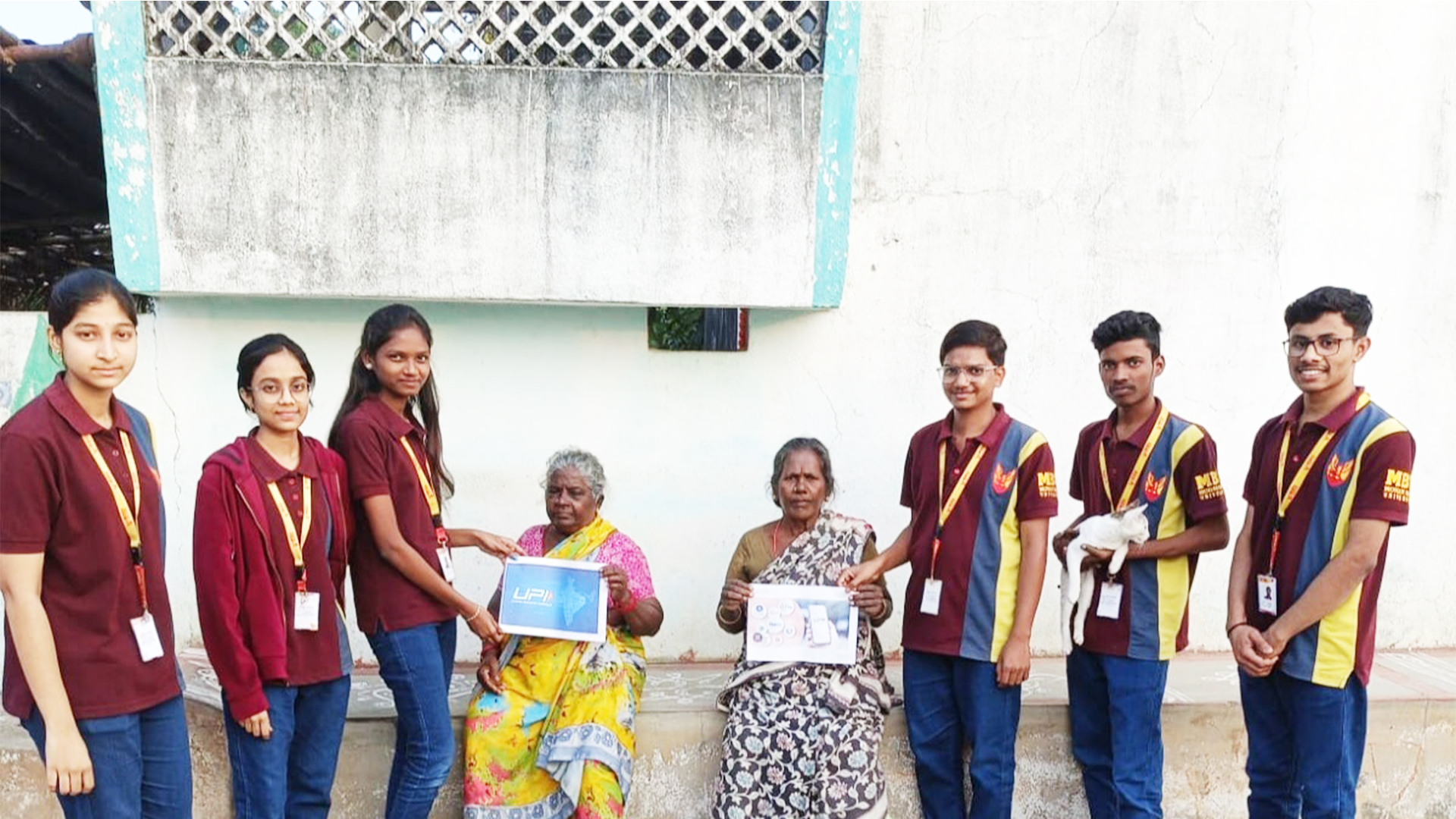
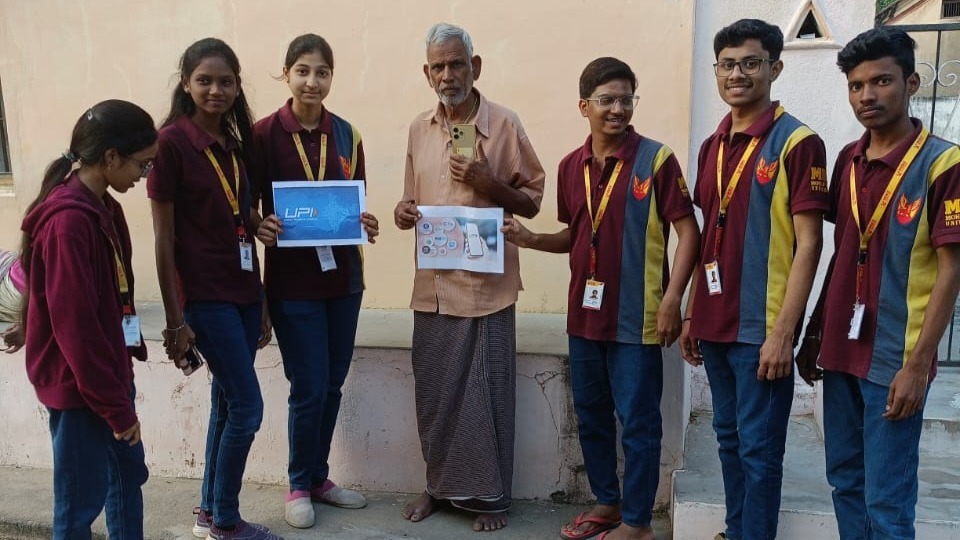
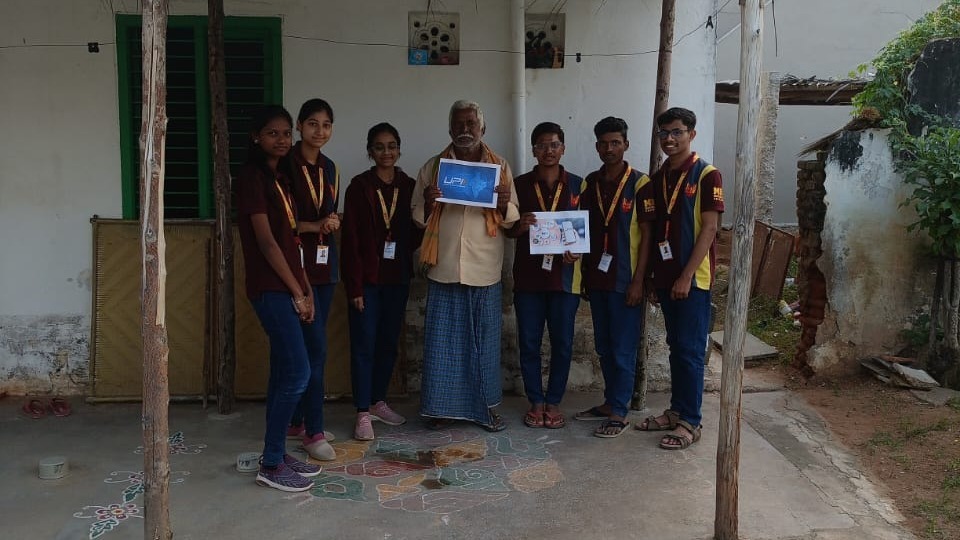
The Rural Development Club of MBU organized a one-day outreach program titled “Awareness on Digital Literacy and UPI” on 23rd December 2025 at Bandarlapalli Village. The aim of the program was to spread awareness about digital literacy and safe usage of smartphones, while also highlighting the importance of Unified Payments Interface (UPI) for cashless transactions. The event was designed to help rural residents understand how digital tools can make their daily lives easier, safer, and more connected. By focusing on mobile phone operations, digital services, and UPI applications, the program sought to bridge the digital divide and promote financial inclusion.
The session was coordinated by Dr. K.S. Bhataty, Assistant Professor at the School of Agriculture. A total of six participants attended the program. Though the number was small, the involvement was very active and meaningful. The participants listened attentively, asked questions, and showed genuine interest in learning about digital payments and online safety. Their enthusiasm made the session lively and interactive, proving that even a small group can make a big impact when motivated.
The activity began with a simple introduction to mobile phone usage and gradually moved to demonstrations of UPI applications. Participants were shown how to install, register, and use UPI apps for transactions. Special emphasis was placed on cyber safety, fraud prevention, and the importance of secure practices while making digital payments. Real-time examples and practical demonstrations were used to make the concepts clear. The hands-on approach ensured that participants could immediately practice what they learned, which boosted their confidence.
The key takeaways for the participants were enhanced awareness of digital literacy, improved confidence in using cashless transaction methods, and better understanding of cyber safety. They realized the importance of adopting digital financial services in their daily lives and expressed interest in using UPI payments for routine transactions. The program also strengthened the bond between the university and the community, showing how academic knowledge can be applied to societal needs.