
- This event has passed.
Building Analytical Thinking through Logic Lab
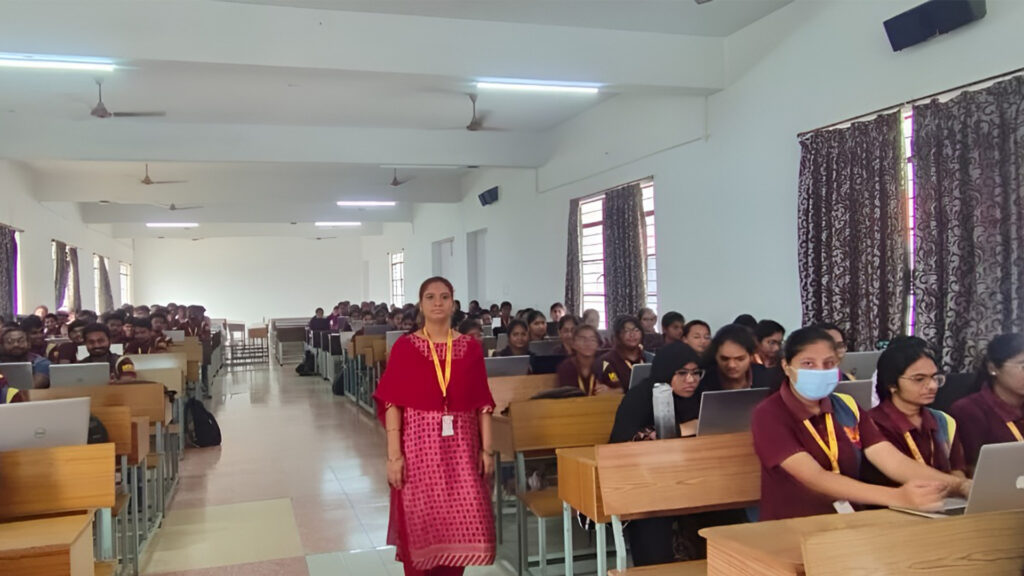
The TechKnow Club, the Department of Computer Applications, organized an engaging event titled “Logic Lab” on 22nd December 2025 at Lecture Hall 804. The aim of the Logic Lab was to help students understand the importance of logical reasoning and problem‑solving skills in both academics and real‑life situations. The event was designed to bridge the gap between theory and practice by encouraging students to apply concepts of logic in a hands‑on manner. By focusing on puzzles, exercises, and structured problems, the lab sought to strengthen analytical abilities and promote step‑by‑step thinking.
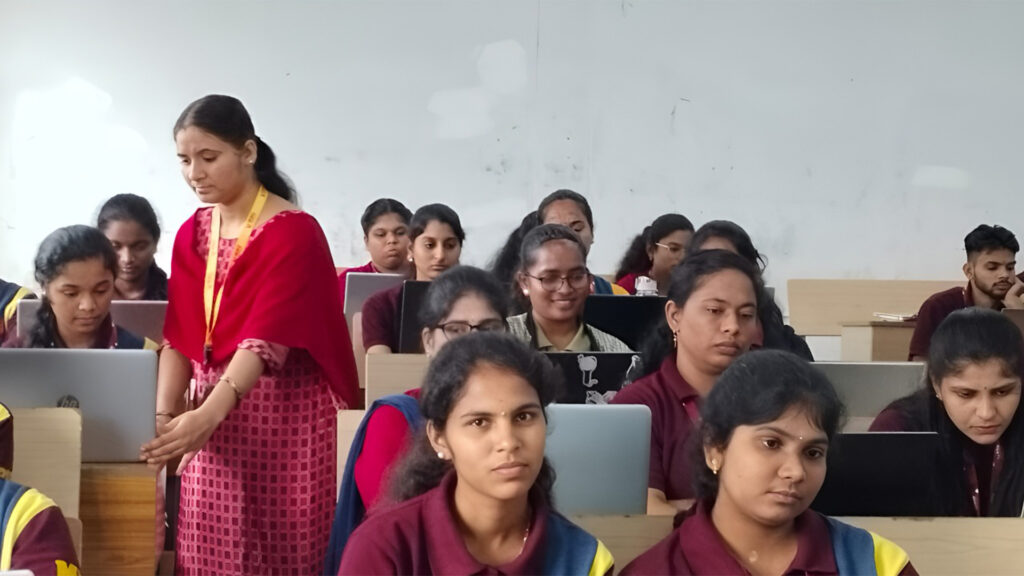
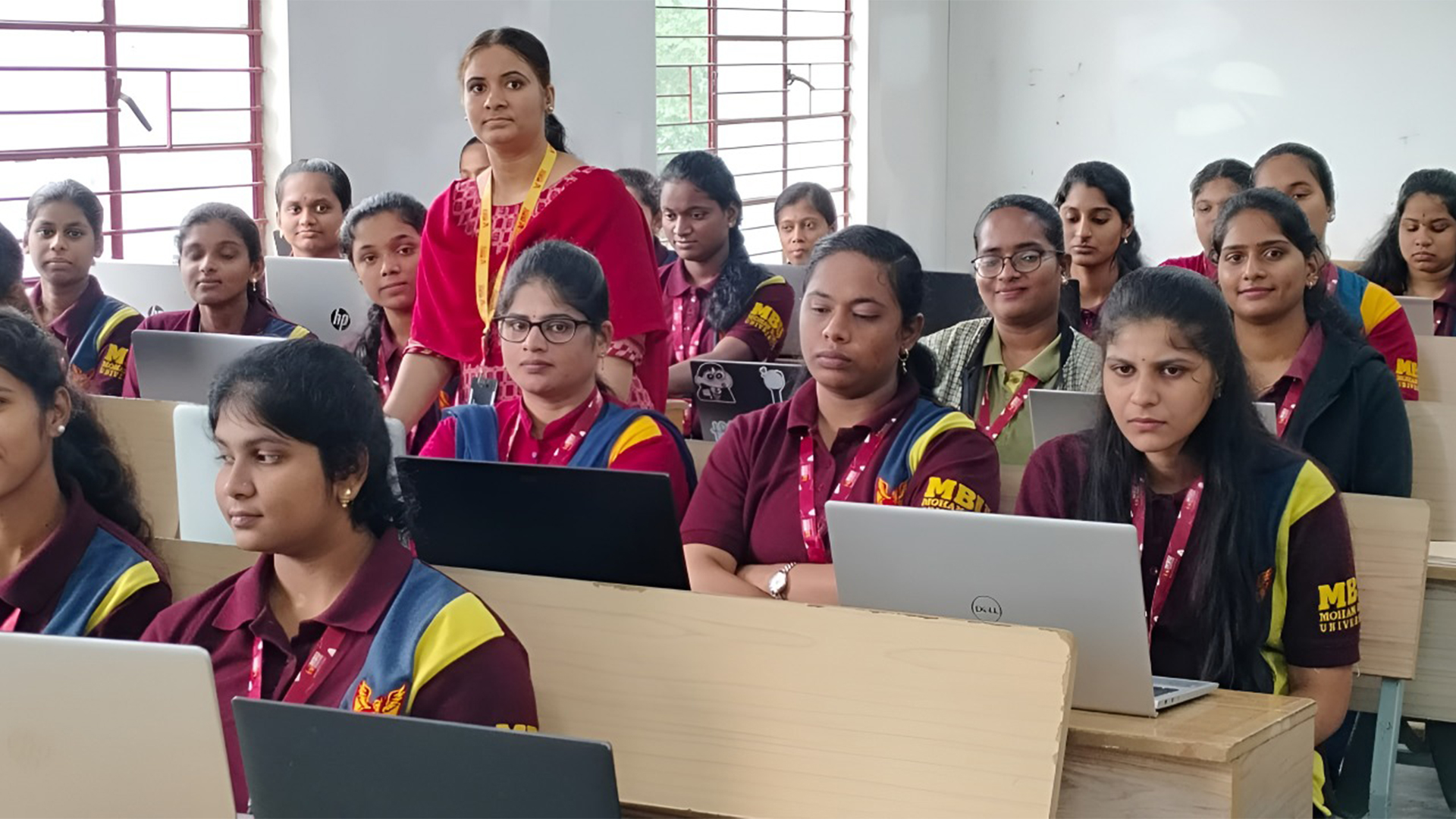
The session was coordinated and led by Ms. Yasmin Bhanu, With her guidance, the 65 participants actively engaged in the activities. Students showed commendable effort and enthusiasm, working through logical problems with confidence. Their participation reflected teamwork, creativity, and a willingness to challenge themselves. The interactive nature of the lab ensured that every student had the opportunity to contribute and learn.
The activities included solving puzzles, applying logical operators, and working through conditions that required structured reasoning. Each task was carefully designed to highlight the importance of logical thinking in programming and computational skills. The lab was conducted in a lively and supportive environment, where students collaborated, discussed solutions, and learned from one another. This approach made the session not only informative but also enjoyable, helping students connect abstract concepts with practical applications.
The key takeaways for the participants were significant. They improved their logical and analytical thinking, gained a better understanding of basic logic concepts, and learned effective problem‑solving techniques. The event boosted their confidence in tackling puzzles and structured problems, while also encouraging teamwork and active participation. Most importantly, the Logic Lab strengthened their foundation for programming and computational thinking, skills that are essential for academic success and professional growth.
At the close of the programme, the organizers expressed heartfelt gratitude to all the participants for their active involvement. Appreciation was also extended to the faculty and the resource person for their support and guidance. The Logic Lab was considered a successful and meaningful learning experience, leaving students motivated to apply logical reasoning in their future endeavors.